
Table of contents
Introduction
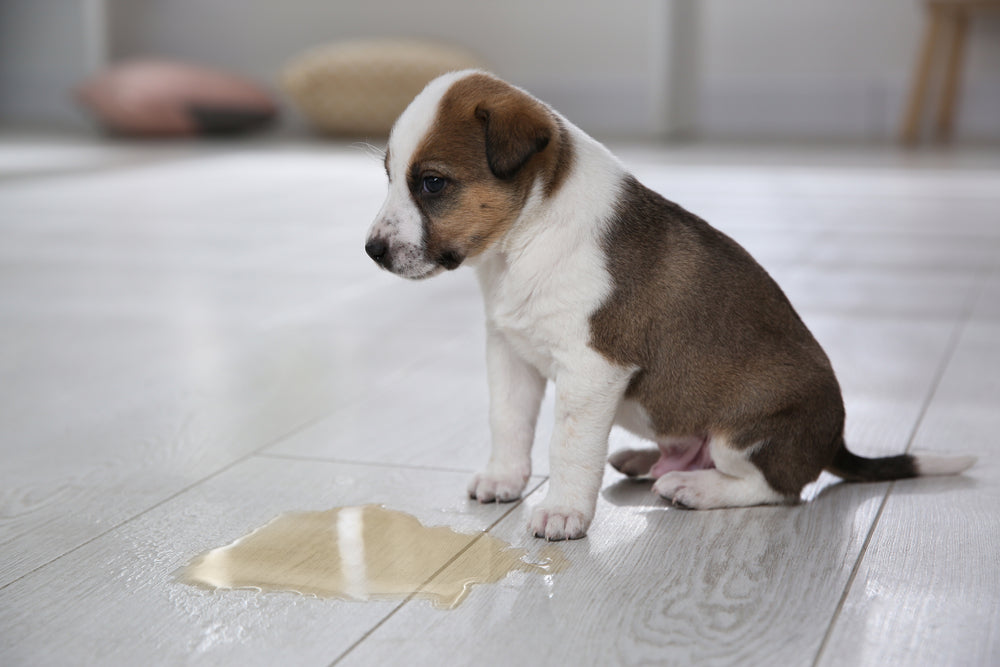
Potty training is one of the first challenges every dog owner faces. A consistent routine not only keeps your home clean but also helps dogs build healthy bathroom habits. Many new owners struggle during the first months, especially when accidents happen frequently indoors.
This is where structured Dog Potty Training becomes essential. With the right method and the right tools, dogs can quickly learn where and when to eliminate.
For households that rely on indoor training, especially those using playpens, choosing the right potty solution is critical. Washable pee pads provide a practical option that protects floors, simplifies cleaning, and supports long term potty routines.
In this guide, we will explain how Dog Potty Training works, why it matters, and how the right tools like washable pee pads can make the process easier from puppyhood to senior years.
What is Dog Potty Training?
Dog Potty Training is the process of teaching dogs to eliminate in a specific location rather than randomly around the home. This habit helps maintain a hygienic environment while teaching dogs behavioral control.
Successful training usually includes three main outcomes:
• Dogs consistently use a designated potty area
• Indoor accidents become rare
• Dogs respond to cues and routines from their owners
Establishing these habits early helps dogs adapt faster to their home environment and reduces stress for both pets and owners.
Designated Area: The dog can independently go to the specified area to eliminate.
Reduced Accidents: There are almost no accidents of elimination in the house.
Understanding Commands: The dog understands the owner's commands and actively seeks the designated potty area when needed.
Why is Dog Potty Training important?
Dog Potty Training plays a major role in maintaining both household hygiene and a dog’s health. Without a clear routine, dogs may develop inconsistent bathroom habits that create frustration for owners.
For owners, the benefits are equally important. Effective training significantly reduces cleaning time and helps maintain a cleaner living space. It also improves communication between dogs and their owners, strengthening their relationship through positive reinforcement.
In situations such as apartment living or limited outdoor access, indoor potty solutions become particularly useful. Puppies, senior dogs, and dogs with mobility issues often rely on indoor potty areas to maintain a comfortable routine.
Benefits for Dogs
For dogs, training helps them understand expectations and build confidence in their daily routine. A predictable schedule also supports bladder health and reduces anxiety.
Benefits for Owners
Less cleaning work
Effective Dog Potty Training significantly reduces the number of accidents inside the home.
Improved home hygiene
A predictable potty routine keeps living spaces cleaner and healthier for everyone.
Stronger bond with your dog
Training sessions increase interaction between dog and owner. Positive reinforcement builds trust and strengthens the relationship.
Special Circumstances
Dogs with Special Needs
- Puppies: Puppies need to be eliminate frequently; proper training helps them quickly establish the correct habits.
- Senior Dogs: Older dogs may have mobility issues; potty training helps them manage their physiological needs more easily.
- Disabled Dogs : Potty training provides a convenient solution for dogs with special needs, ensuring they maintain a good quality of life.

How to Conduct Potty Training?
Potty training requires a combination of scientific methods and appropriate tools. Dogs of different ages and stages need different methods and tools to help them develop good potty habits.
Next, we will discuss the common training principles and steps for different stages of a dog’s life and the specific products and methods suitable for each stage, particularly within the context of using a playpen.
Mid-Article Tip: Make Dog Potty Training Much Easier
Many owners struggle with disposable pads that move around, leak, or create unnecessary waste. A reusable solution can simplify daily routines while keeping floors protected.
FXW washable pee pads are designed to provide a reliable potty area inside playpens, crates, or indoor spaces. Their absorbent layers and waterproof backing help contain messes while offering a comfortable surface for dogs.
If you want a cleaner and more convenient setup, switching to a washable solution can make Dog Potty Training significantly easier.
👉 Explore the FXW washable pee pads collection and upgrade your dog’s potty routine.
Common Training Principles and Steps for Different Stages
Common Training Principles
- Consistency: No matter the stage of the dog, maintaining consistent training methods and schedules is crucial.
- Positive Reinforcement: Reward and praise the dog immediately after it is eliminated in the correct area.
- Patience and Tolerance: Be patient during the training process and avoid scolding the dog to prevent anxiety.
- Gradual Transition: Gradually guide the dog to adapt to new potty areas and tools to avoid sudden changes.
- Gradual Reduction of Potty Area: As the dog gradually adapts to the designated potty area, reduce the size of the area to help them quickly adapt and use the specified potty spot.
Common Training Steps
- Establish a Potty Area: Set up a designated potty area in your home to help your dog establish spatial memory.
- Take the Dog to the Potty Area Regularly: Take the dog to the designated potty area at regular intervals, especially after eating, playing, and waking up. Observe if your puppy shows signs of needing to go, such as sniffing the ground, circling, or whining, and immediately take them to the potty pad.
- Use Guiding Tools and Commands : Use tools like attractants and fixed potty pads to help your dog quickly adapt to the potty area. When you take your puppy to the potty pad, use consistent commands, such as "go potty."
- Handle Accidents Calmly : If an accident occurs, stay calm, clean up promptly, and continue guiding the dog to the correct potty area.
Training Principles and Steps for Different Stages
| Stage | Physical Characteristics | Training Needs | Optional Products |
| Puppy Stage (0-6 months) |
- Bladder and bowel control are weak; - sensitive to the environment, forming early habits easily |
Develop awareness of a designated potty area, establish the concept of a potty area | Large disposable potty pads, pee pad holder |
| Adolescent Stage (6 months-1 year) |
- Gradual improvement in control; - Adaptable and receptive to new training |
Reinforce potty habits, gradually transition to outdoor elimination, increase outdoor potty opportunities | Floor mats, washable/disposable potty pads, outdoor potty pad |
| Adult Stage (1-7 years) |
- Strong control, able to form stable potty habits; - adaptable to outdoor potty routines |
- Gradually transition to outdoor potty, reduce indoor potty tools; - Maintain cleanliness in the potty area, reinforce habits |
Outdoor potty pad, washable potty pads, poop scoop and plastic bags |
| Senior Stage (7 years and older) |
Decreased bladder control, requires special care | - Proximity to potty area, reduce strain; - Use special potty pads, maintain cleanliness |
Large disposable potty pads, dog diapers |
Initial Training: Puppy Stage (0-6 months)
Product Recommendations
Large Disposable Potty Pads: Covers the playpen area, are suitable for frequent changes, and reduce the cleaning hassle for puppy accidents.
Pee Pad Holder: Ideal for initial use, helps puppies establish the concept of a designated potty area.
Training Methods
- Set Up Potty Area
In the initial training phase, puppies do not have a concept of a fixed potty spot. Place large disposable potty pads inside the playpen to cover the entire area, preventing leaks onto the floor. Place the training potty on one side of the pads to help the puppy gradually adapt.
- Regular Potty Breaks
After the puppy eats, plays, and wakes up, promptly take it to the designated potty area within the playpen. Use a gentle tone and actions to encourage it to use the potty. You can use dog attractant sprays in the potty to draw the puppy there.
- Positive Reinforcement
Every time the puppy uses the potty correctly, immediately give verbal praise and a small treat as a reward. This helps the puppy understand that using the correct spot results in a reward.
- Constant Supervision
During the puppy stage, closely monitor its behavior. When you see signs that the puppy needs to go (such as sniffing the ground or circling), promptly guide it to the potty area. If the puppy does not use the designated area, stay calm, clean up promptly, and continue to guide the puppy to the correct spot.
- Gradual Transition
Initially, use a larger potty and potty pads to make it easier for the puppy to go in the right place. As the puppy gets used to using the potty, gradually reduce the size of the potty and the area covered by the disposable pads.
- Frequent Changes
Keep the potty and pads clean by regularly changing used pads. A clean potty area encourages the puppy to use it and helps maintain their willingness to go to the designated spot.

Intermediate Training: Adolescent Stage (6 months-1 year)
Product Recommendations
Floor Mats: Provides full protection for the floor, can be reused, and reduces long-term costs.
Washable/Disposable Potty Pads: Gradually reduce usage as you transition to outdoor potty training.
Outdoor Potty Pads: Mimics real grass, helping dogs adapt to outdoor elimination.
Training Methods
- Set Up Potty Area
At this stage, the dog may still have accidents. Place floor mats within the playpen to cover the entire area. Place potty pads or the simulated outdoor potty on top of the mats to gradually guide the dog to use them.
- Regular Potty Breaks
After the dog eats, plays, and wakes up, promptly take it to the designated potty area within the playpen. Use a gentle tone and actions to encourage it to use the potty pads or simulated outdoor potty.
- Positive Reinforcement
Every time the dog uses the potty correctly, immediately give verbal praise and a small treat as a reward. This reinforces the dog’s potty habits.
- Gradual Reduction of Potty Pad Area
Initially, you can use several small potty pads. As the dog gradually adapts, reduce the number of pads used.
- Increase Outdoor Potty Opportunities
Use the simulated outdoor potty at home to help the dog gradually adapt to grass and other outdoor environments. When the weather is good, increase the frequency of taking the dog outside to eliminate. If the dog is familiar with outdoor environments like grass, the transition will be smoother.
- Frequent Cleaning and Maintenance
Keep the potty pads and simulated potty clean by regularly replacing used pads. This prevents the pads from becoming too dirty and affects the dog’s willingness to use them. The floor mats should also be cleaned and dried regularly to maintain hygiene
Long-Term Maintenance: Adult Stage (1-7 years)
Product Recommendations
Outdoor Potty Pad: Continue using it to maintain the habit.
Washable Potty Pads: For special situations or indoor emergencies.
Poop Scoop and Plastic Bags: For outdoor potty breaks to keep the environment clean.
Training Methods
- Maintain Indoor Potty Tools
Continue using the simulated outdoor potty and washable potty pads in the playpen but gradually reduce their usage.
- Increase Outdoor Potty Opportunities
Take the dog outside to potty at regular intervals, especially in the morning, after meals, and before bedtime. This helps establish a routine for outdoor potty breaks. Use a poop scoop and plastic bags to clean up after the dog, keeping public areas clean.
- Positive Reinforcement
Every time the dog potties outdoors, immediately provide verbal praise and a small treat. Positive reinforcement helps strengthen the dog’s outdoor potty habits.
- Reduce Indoor Potty Tools
As the dog gets used to outdoor potty breaks, gradually decrease the frequency of using the simulated outdoor potty and washable potty pads.
- Emergency Measures
In special situations such as bad weather or when the owner is away, continue using washable potty pads and the simulated outdoor potty to ensure the dog has an appropriate place to eliminate.
Senior Dog Stage (7 years and older)
Product Recommendations
Large Disposable Potty Pads: High absorbency and leak-proof design, easy to handle both urine and feces, suitable for senior dogs with mobility issues or health problems.
Dog Diapers: Suitable for senior dogs with mobility issues or health problems, primarily for use when outside the playpen or during travel.
Training Methods
- Set Up Potty Area
Place large disposable potty pads within the playpen, ensuring they cover all or most of the playpen area. The size of the area covered should depend on the senior dog's range of movement. This setup will handle both urine and feces, keeping the environment clean.
- Guide Potty Habits
Observe the senior dog's behavior closely. When you notice signs of needing to potty (e.g., sniffing the ground, circling), gently guide them to the designated potty area within the playpen. Use a soft tone and gentle movements to help them understand this is their potty spot.
- Positive Reinforcement
Whenever the senior dog uses the potty area correctly, provide verbal praise and gentle petting as a reward. Try to avoid giving too many treats to prevent overburdening their health.
- Frequent Changes and Cleaning
Regularly check and replace the potty pads to keep the area clean. Use non-toxic cleaning agents to ensure there are no lingering odors, which helps maintain the senior dog's willingness to use the potty area.
- Use Dog Diapers
For senior dogs with mobility issues or health problems, dog diapers can be used when they are outside the playpen or in other areas of the home. Ensure the diapers are comfortable and do not restrict their movement. Change the diapers regularly to keep the dog dry and clean.
- Provide Additional Support
If the senior dog has limited mobility, set up multiple potty spots in areas where they spend time outside the playpen to facilitate easy access.
- Monitor Health Conditions
Regularly take the senior dog for health check-ups to ensure their bladder and bowel health. If you notice any difficulties with urination or defecation, consult a veterinarian promptly and follow their recommendations.
Summary
Successful potty training not only significantly enhances the quality of life for both dogs and their owners but also strengthens their bond. Each stage, from puppies to senior dogs, has its unique needs and challenges. By employing scientific methods, appropriate products, and patient guidance, owners can help their dogs establish good potty habits.
Throughout the training process, consistency and positive reinforcement are key. Using pet playpens effectively and gradually transitioning can reduce accidents, ensuring a clean and hygienic home environment. Regularly checking and cleaning the potty area, and promptly replacing pads and potty supplies, can improve the dog’s willingness to use them and prevent urinary system diseases.Especially for dogs with special circumstances, such as puppies, senior dogs, and disabled dogs, selecting appropriate products and methods can better meet their needs and improve their quality of life.
We hope this guide helps pet owners better understand and implement dog potty training, ensuring your pet grows up healthy in a clean and comfortable environment.
Buy potty training gears for your fur buddy, check out more on our store
Related Blogs

How long does Dog Potty Training usually take?
Most puppies develop consistent potty habits within a few weeks to a few months depending on their age, routine, and environment.
Are washable pee pads good for Dog Potty Training?
Yes. Washable pee pads provide a consistent potty surface and protect floors from leaks. They are especially helpful for indoor training setups and playpen environments.
When should I start Dog Potty Training?
Training should begin as soon as a puppy arrives home, usually around eight weeks old. Early routines help build strong habits.
Why does my dog still have accidents?
Accidents may occur if schedules change, potty areas are unclear, or the dog is experiencing stress or health issues.
Share:
All-Terrain Dog Playpen: The Ultimate Guide for Pet Owners
The Essential Puppy Kit to Prepare before Bringing a Puppy Home