
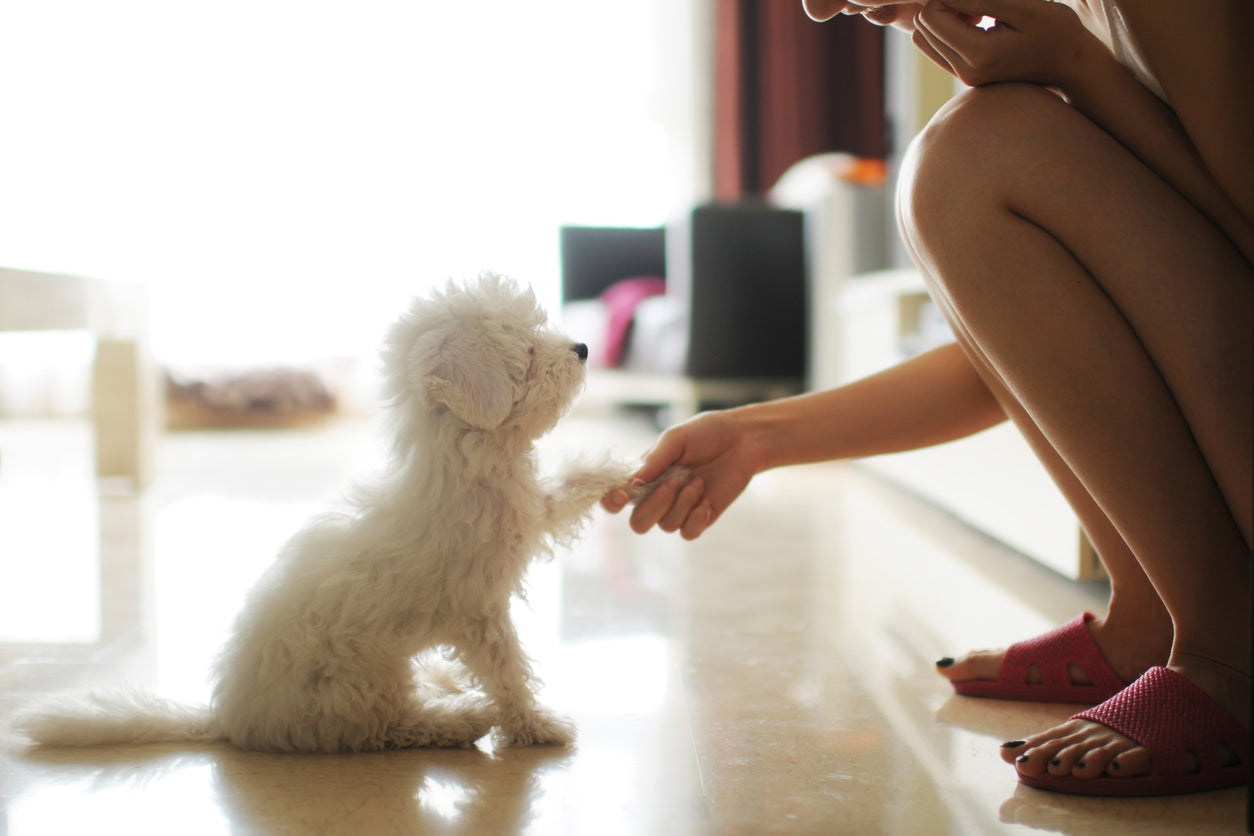
Training a puppy is exciting—but it’s also where many owners unknowingly create long-term behavior problems. From inconsistent routines to giving too much freedom too soon, small mistakes can lead to confusion, accidents, and frustration.
Learning how to avoid common puppy training mistakes can save you time, protect your home, and help your puppy develop into a calm, well-behaved dog. The good news? Most mistakes are easy to fix once you know what to look for.
Why Puppy Training Mistakes Happen
Most training mistakes don’t come from doing something “wrong”—they come from misunderstanding how puppies learn. Puppies need structure, repetition, and a controlled environment to succeed.
Without these, they create their own habits, which often include chewing, accidents, or ignoring commands.
The Most Common Puppy Training Mistakes (And How to Fix Them)
1. Giving Too Much Freedom Too Soon
This is one of the biggest mistakes new puppy owners make.
When puppies have access to the entire house, they:
- Have more opportunities to make mistakes
- Develop bad habits like chewing or accidents
- Become harder to supervise
How to fix it:
- Start with a small, controlled space
- Gradually increase freedom over time
- Supervise closely during early stages
A puppy playpen for training helps create boundaries and prevents mistakes before they happen.
2. Inconsistent Training Rules
Signs of inconsistency:
- Ignoring commands
- Repeating unwanted behaviors
- Confusion during training
How to fix it:
- Keep rules clear and consistent
- Make sure everyone in the household follows the same guidelines
- Reinforce behaviors the same way every time
Consistency builds trust and speeds up learning.
3. Not Following a Routine
Common issues without routine:
- Irregular potty habits
- Excess energy bursts
- Difficulty settling down
How to fix it:
- Set consistent times for feeding, play, and rest
- Stick to a daily schedule
- Create predictable patterns
Routine helps your puppy understand what comes next, reducing anxiety and confusion.
4. Punishing Instead of Redirecting
What happens when you punish:
- Your puppy becomes anxious
- They may hide behaviors instead of learning
- Training progress slows down
How to fix it:
- Interrupt unwanted behavior calmly
- Redirect to the correct action
- Reward positive behavior
Positive reinforcement is far more effective than punishment.
5. Ignoring the Importance of Rest

Many owners focus on play and training but forget that puppies need a lot of sleep.
An overtired puppy is more likely to:
- Bite or chew excessively
- Become hyperactive
- Struggle to focus
How to fix it:
- Schedule regular nap times
- Provide a quiet resting space
- Reduce stimulation when needed
A chewproof elevated dog bed gives your puppy a comfortable, durable place to rest without the risk of chewing and destroying soft bedding.
6. Not Providing Enough Mental Stimulation
Without stimulation, puppies may:
- Chew furniture
- Bark excessively
- Seek attention constantly
How to fix it:
- Use interactive toys
- Practice short training sessions
- Introduce problem-solving games
Mental stimulation helps prevent boredom-driven behaviors.
7. Expecting Results Too Quickly
What this leads to:
- Frustration
- Inconsistent training
- Giving up too early
How to fix it:
- Be patient and consistent
- Celebrate small progress
- Focus on long-term habits
Every puppy learns at their own pace.
Why Environment Setup Matters More Than You Think
A good setup should include:
- A defined play area
- A designated rest space
- Limited access to distractions
An escape-proof puppy playpen helps create structure, while a chewproof elevated dog bed supports proper rest and reduces destructive behavior.
Together, they form the foundation of effective training.

Quick Checklist: Avoid These Mistakes Daily
- Limit your puppy’s space early on
- Stay consistent with rules
- Follow a daily routine
- Redirect instead of punish
- Provide proper rest
- Keep your puppy mentally engaged
Small daily actions lead to big long-term results.
FAQs
1. What is the most common puppy training mistake?
Giving too much freedom too early is one of the biggest mistakes.
2. How do I fix bad habits in my puppy?
Use consistent redirection and positive reinforcement.
3. Does a playpen help with training?
Yes, it creates structure and prevents unwanted behavior.
4. Why is my puppy not learning commands?
Inconsistency and lack of routine are common causes.
5. How important is rest in puppy training?
Very important—tired puppies struggle to learn and behave properly.
Summary
Learning how to avoid common puppy training mistakes is one of the fastest ways to raise a well-behaved dog. Most problems don’t come from stubborn puppies—they come from unclear structure and inconsistent training.
By focusing on routine, environment, and positive reinforcement—and using tools like playpens and chewproof elevated dog beds—you can prevent mistakes before they start and build strong, lasting habits.
With the right approach, training becomes easier, faster, and far more enjoyable for both you and your puppy.

Share:
How to Leave a Puppy Alone Without Anxiety
Escape Proof Playpen for Puppy: Safe Indoor Setup