
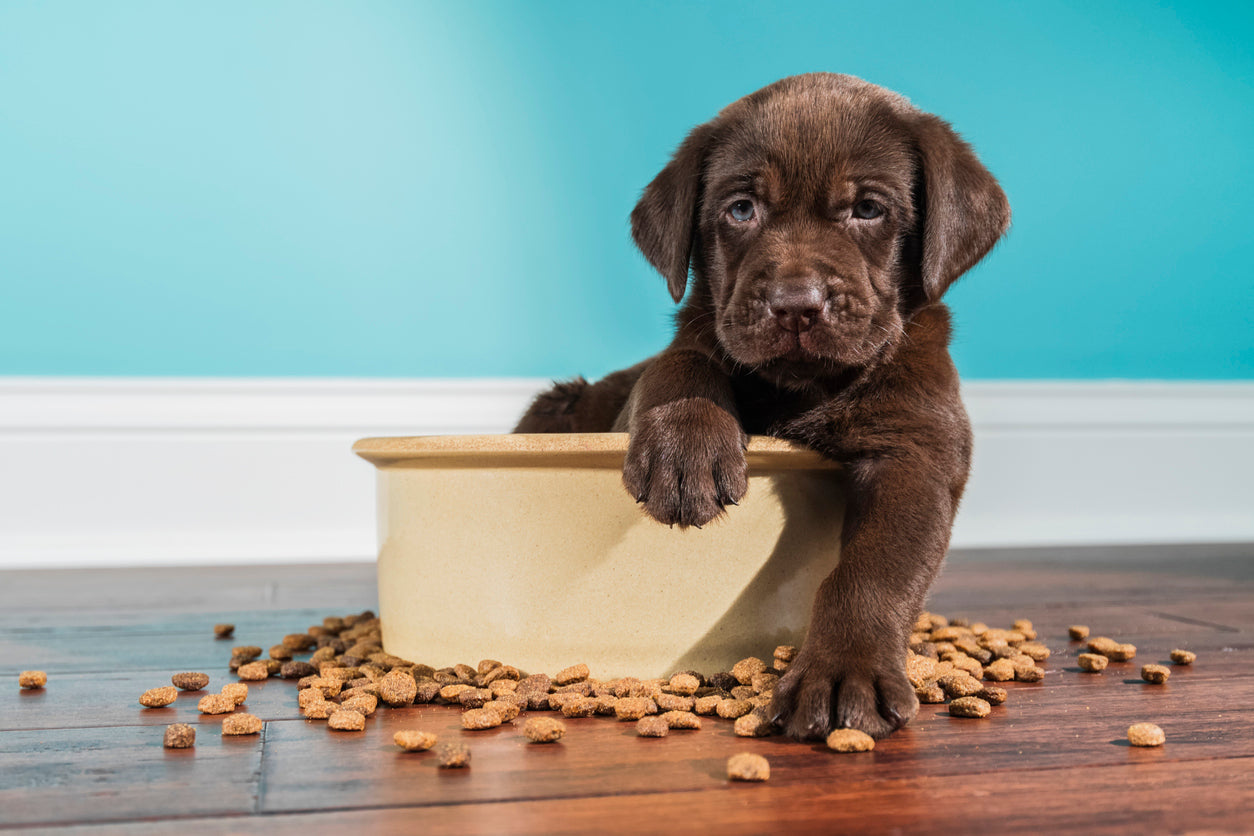
How to Master Puppy Feeding Training with Playpen
Training a puppy isn’t just about commands. It’s about structure, consistency, and creating an environment where good habits naturally develop. One of the most overlooked areas is feeding time. Without a proper system, meals can quickly turn into chaos: jumping, barking, food guarding, or messy eating.
That’s where puppy feeding training comes in and even better, when combined with a playpen, it becomes dramatically easier.
A playpen isn’t just for containment. It’s a powerful training tool that helps puppies associate specific spaces with specific behaviors. When used correctly, it can turn feeding time into a calm, predictable routine that supports both behavior training and digestion.
In this guide, we’ll walk through how to train your puppy to eat properly using a structured playpen setup, while also showing how tools like the FXW playpen can quietly elevate your training success.
Why Puppy Feeding Training Matters More Than You Think

Feeding is one of the first routines your puppy learns. If done right, it builds:
- Calm behavior around food
- Respect for boundaries
- Reduced anxiety and overstimulation
- Better digestion and health
But if done wrong, it can lead to:
- Hyperactivity during meals
- Food aggression
- Constant begging habits
- Lack of routine
According to American Kennel Club puppy feeding basics, consistency in feeding schedule and environment is key to raising a well-behaved dog.
A controlled space like a playpen helps enforce that consistency without constant correction from you.
How a Playpen Improves Feeding Training
Using a playpen creates a clear boundary between feeding time and everything else. Instead of chasing your puppy around with a food bowl or dealing with distractions, the playpen sets the stage for focused, calm eating.
Here’s what makes it so effective:

A controlled feeding environment
- Eliminates distractions from other pets or people
- Reduces overstimulation before meals
- Helps puppies focus on eating calmly
Builds routine automatically
- Puppy learns: “I eat here, at this time”
- Reinforces structure without repeated commands
- Makes feeding predictable and stress-free
Supports house training
- Puppies avoid soiling their eating space
- Helps reinforce separation between eating and potty zones
Setting Up the Ideal Feeding Zone
Choose the right playpen
A stable, secure playpen is essential. A poorly designed pen that shifts or moves during feeding can make puppies anxious or distracted.
That’s why many pet owners prefer solutions like FXW indoor playpen systems, designed to stay firmly in place and create a consistent environment.
Inside the feeding setup
- Place the food bowl in one fixed corner
- Keep water nearby but separate
- Avoid toys during feeding time
- Use a non-slip surface if needed
Timing matters
- Feed at the same time daily
- Remove uneaten food after 15–20 minutes
- Avoid free feeding during training stage
Consistency is what turns feeding into a learned behavior—not just an activity.
Step-by-Step Puppy Feeding Training Using a Playpen
Step 1: Introduce the playpen calmly
Step 2: Bring food into the pen
Step 3: Wait for calm behavior
Step 4: Keep feeding time quiet
Step 5: Remove food after set time
Common Feeding Mistakes (and How to Fix Them)
Many puppy owners struggle not because they’re doing things wrong, but because they’re inconsistent.
Letting puppies eat anywhere
- Leads to lack of structure
- Makes training harder later
Feeding during high excitement
- Encourages hyperactivity
- Creates bad associations with food
Leaving food out all day
- Disrupts appetite regulation
- Weakens training consistency
Using unstable feeding areas
- Moving bowls or pens create stress
- Puppies lose focus easily
A stable setup like FXW playpen solutions ensures your feeding area stays consistent, which directly improves training outcomes.
How Playpen Training Supports Long-Term Behavior
Feeding training isn’t just about meals, it influences your puppy’s entire behavior system.
When puppies learn structure early, they:
- Become calmer indoors
- Respond better to commands
- Develop independence faster
- Experience less anxiety
A well-designed playpen becomes more than a feeding space, it becomes a behavior training zone.
Why Stability and Design Matter in a Playpen
Not all playpens are created equal. During feeding, even small movements can disrupt your puppy’s focus.
Here’s what to look for:
Stability
- Prevents shifting during meals
- Keeps environment predictable
Visibility
- Helps puppy feel safe and not isolated
- Reduces anxiety
Safety
- No sharp edges or climb points
- Secure structure for daily use

This is where products like the FXW playpen quietly stand out, they’re designed for indoor stability and consistent training use without being intrusive.
FAQs
How long should feeding training take?
Most puppies adapt within 1–2 weeks if you stay consistent. The key is repeating the same routine daily without exceptions. Even if your puppy resists at first, structure will naturally build the habit. Avoid switching methods too often, as consistency matters more than speed.
Can I use the playpen for other training besides feeding?
Yes, absolutely. A playpen is one of the most versatile puppy training tools. It can be used for crate transition, calming routines, and independent play training. Using the same space for multiple structured activities reinforces good behavior faster.
What if my puppy refuses to eat in the playpen?
This is common in the beginning. Start by making the pen feel safe. Let your puppy explore it without pressure. You can also sit nearby to provide comfort. With time and consistency, your puppy will associate the pen with food and routine.
Should I leave water in the playpen all day?
Water can be left available, but during feeding training, it’s better to keep meals structured. Having too many resources available at once can reduce focus on eating. Keep things simple during the training phase.
Is a playpen better than feeding in a crate?
For feeding training, a playpen often works better because it offers more space and feels less restrictive. It allows puppies to move comfortably while still maintaining boundaries. This makes it ideal for building positive associations with routine.
Summary
Puppy feeding training is one of the easiest ways to shape your dog’s long-term behavior, but only if done correctly.
By using a structured playpen setup, you can:
- Create calm, distraction-free feeding routines
- Build consistency without stress
- Support better behavior and digestion
- Reduce common training problems early
A stable, thoughtfully designed playpen - like those from FXW- doesn’t just contain your puppy. It quietly becomes one of the most powerful tools in your training system.
Start with feeding. Stay consistent. And you’ll build habits that last a lifetime.

Share:
How to Achieve Puppy Calm Indoors with a Stable Daily Setup