
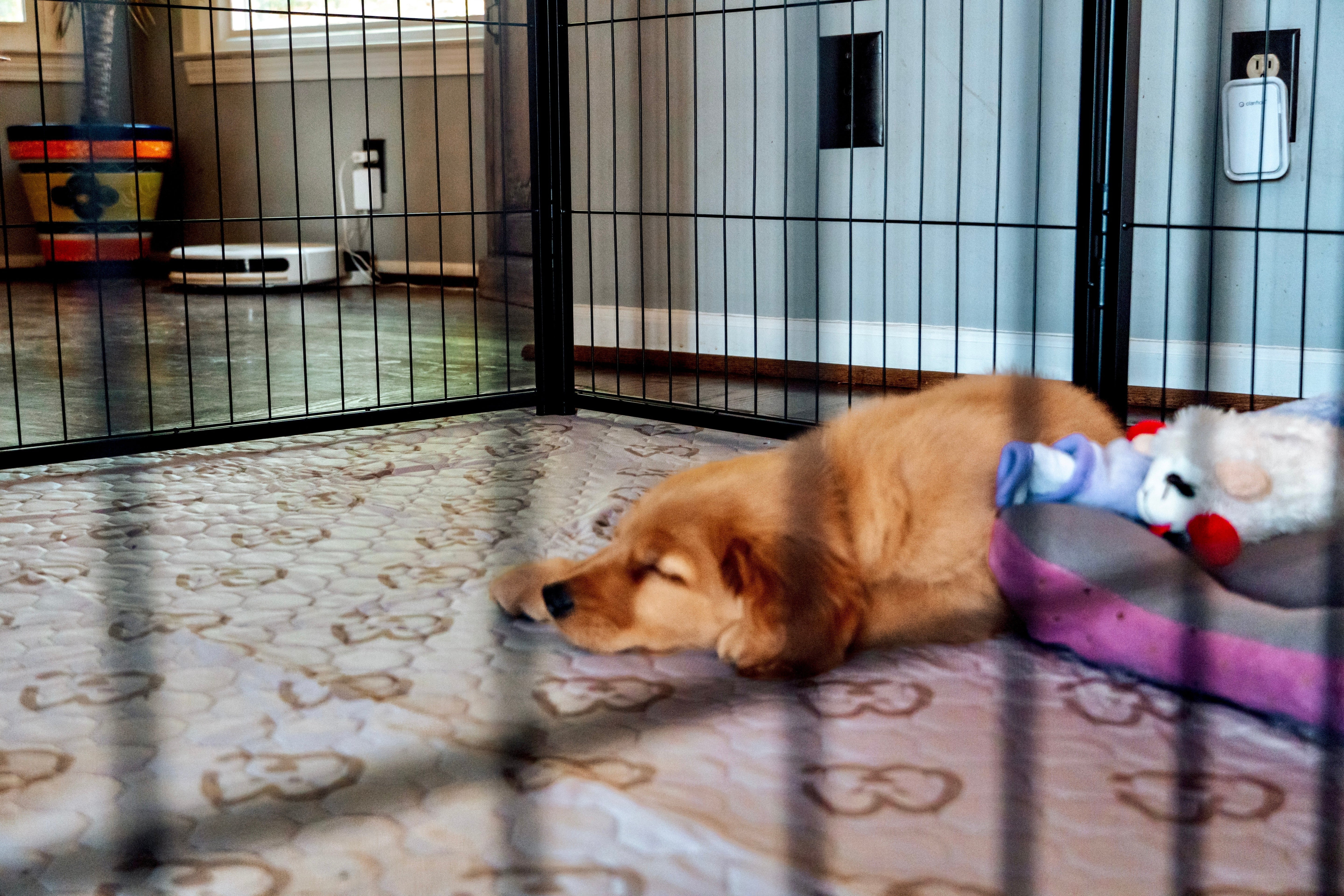
Introduction
Providing an especially designed playpen to small dogs is one of the best ideas through which a safe and comfortable environment can be easily provided to them according to their unique needs. If the user wants to give cuddly resting space or there's a need for mental stimulation, then a very thoughtfully designed playpen might end up being a comfortable place where the pet feels comfortable and secure. Customization goes further than the choice in size; it entails modification of all things, whether safety equipment and toys that can provide enrichment or, indeed, ventilation and even flooring, to meet up with the personality and type of lifestyle of your canine. (see RSPCA)
Table of contents
1. Choosing the Right Size and Type of Playpen
The ultimate small dog playpen has just the right amount of room for the dog to get around comfortably while feeling secure and snug. Most of the time, it depends on your breed and activity level of the dog as well as personality. It should provide room for movement but not freedom to be overwhelming. Materials also factor in: collapsible metal pens are really rugged, durable, and very easy to clean. Lighter soft-sided fabric models could be better for less energetic dogs. Select a playpen that's tall enough to be secure but not so tall you and your pet can't easily enter and exit. This will ensure it is not too tall for the pet to easily escape running off but still give an adequate sense of safety.
2. Essential Elements for a Small Dog’s Playpen
You have to determine the size suitable for your dog; thus, you might be thinking about the breed, the level of exercise, and maybe more importantly, the personality involved. The playpen for your small dog at all times should accommodate free movement without getting congested. Materials matter too, and foldable metal pens provide durable, long-lasting options and are easy to clean. Soft-sided fabric designs will work better for less energetic dogs. You can settle for a playpen with a height that is more safe but easy to open for your pet and yourself. The playpen needs to be tall enough so your dog cannot escape from it, yet not so tall that it is difficult to access for you and your pet. Mesh sides enable you to see your pet at all times, allowing your dog to feel more comfortable and attentive to what is happening around them. A soft bed will allow your dog to have a place to sleep, but, on the other hand, a feeding and watering station on level non-tip bowls will help to make things accessible.
3. Safety Features to Include
Adding some stimulating toys, such as chew toys or puzzle feeders, will keep the dog stimulated and occupied. It may help cut down on boredom. Provide a small puppy potty area with puppy pads or a litter tray for puppies and dogs that are still being trained to achieve effective housebreaking. For the interactive players, change up the toys regularly for added interest and mental stimulation. Safety is paramount when you design a playpen for a small dog. You can provide non-slip flooring during playing to prevent injuries from skidding around and to avoid falling and slipping on different surfaces.
4. Creating Zones Within the Playpen

A structured space encourages better behavior and clarity for your pet. All parts should be chew-proof and pet-safe, free of sharp edges or small choking hazards.
The Rest Zone: Features a cushion or soft blanket.
The Play Zone: Contains brain-stimulating toys.
The Utility Zone: Includes water and, if necessary, a potty area.
5. Customizing for Your Dog’s Personality
It comes with a potty zone with puppy pads or a litter tray. This helps the dog in the potty training process and creates a designated area for the bathroom requirements of the animal. All these factors make the playpen a multipurpose construction where the dog learns good habits and gets a place to sleep, play, and even go potty. Therefore, clear zoning will offer the possibility of improving the functionality of the playpen, which can lead to a structured space that caters to the daily needs of your pet as well as independence and good behavior. Since each dog is unique, then the playpen may be designed according to the personality of your dog so they can feel comfortable and be in good welfare.
6. Adding Enrichment Elements
Keep your dog mentally and physically stimulated by incorporating variety:
Puzzle Feeders: Treat-dispensing toys that encourage problem-solving.
Chew Toys: Durable items for dogs that have a high urge to chew.
Rotation: Periodically change the items in the pen to prevent boredom.
7. Personalizing with Accessories

Transform a simple containment area into a cozy haven with personal touches. Adding soft blankets or fabric toys provides variety. Consider personalizing the space with:
Engraved nameplates or customized bowls.
Favorite plush toys that offer a sense of belonging.
Specific fabric styles that match your home's aesthetic.
8. Portable and Foldable Options for Flexibility
Being easy to fold up and very portable, it is always ready to set up quickly and easily in travel or for temporary locations. A lightweight, foldable portable playpen is stable enough for your dog to play safely even when you are on the move. A portable playpen means that your dog can have its own space to relax no matter where you are. This can help reduce tension and build the routine your puppy requires. It may easily be transported and positioned in any location when it features carrying cases or readily folds, so you can carry part of your cozy environment anywhere with your dog.
9. Using the Playpen for Training Purposes
It helps them establish a controlled environment to learn potty training, crate training, or boundaries on their behavior. Dogs learn which areas of the playpen are for resting, playtime, or bathroom facilities, and it reinforces healthy behavior and good habits. Training with a playpen encourages independence and keeps your dog safe and contained , and the setup also works well with crate training: it provides a familiar place, and that makes a playpen a very handy tool for developing routines and boundaries, supplementary to AKC’s potty training tips.
10. Maintaining Hygiene in the Playpen
Keeping the playpen clean contributes to your dog's hygiene and comfort. For your dog's bedding, it is best to have the washable type, while you can use vinyl or rubber mats that are easy to clean and can be simply wiped down. This requires regular cleaning, from sanitation of food and water bowls, to keep it as fresh as possible. It controls smells and prevents the presence of bacteria by spraying an odor-neutralizing spray made safe for pets. There is a routine maintenance system that keeps the playpen hygienic; through this, a clean environment will be maintained free of odors, making the playpen a good source of health and comfort for your dog.
11. Ensuring Proper Ventilation and Comfort

Ventilation and comfort are important for an excellent experience in a playpen. Use a mesh-side or air-hole playpen. Prevent overheating as such; place the playpen out of direct sunlight with a draft-free zone that is stable in temperature. Cooling pads in summer and fleece blankets in winter maintain your dog's year-round comfort both physically and mentally.
12. Best Flooring Solutions for Playpens
Choose flooring that is stable, comfortable, and safe for your dog. Non-slip rubber mats, waterproof pads, or foam tiles are great options as they cushion and are easy to clean. Flooring should be soft but tough enough to give a secure surface, preventing slipping and cushioning the joints. With appropriate flooring, you create a comfortable environment that supports safe play and reduces the risk of injury, making the playpen a secure area for your small dog.
Conclusion
A customized playpen is the ultimate solution for giving small dogs a safe, comfortable, and enriching environment. Tailoring each element to your dog's needs will create a functional space where they can live well in play and rest. Personal touches, safety features, and enrichment activities transform the playpen from a simple containment area to a cozy and engaging haven. It enhances both the comfort of your dog and your peace of mind by creating a space where they can thrive.
Summary
Customizing a playpen for a small dog is about more than just containment—it’s about creating a "Yes Space" tailored to their unique size and personality. This comprehensive guide covers everything from choosing the right materials (durable metal vs. soft-sided fabric) and calculating the perfect height to prevent escapes, to designing functional zones for sleeping, playing, and potty training. By incorporating safety features like non-slip flooring and enrichment tools like puzzle feeders, you can transform a simple playpen into a secure, comfortable haven that promotes independence and well-being for your small canine companion.
Frequently Asked Questions (FAQs)
What size should my small dog’s playpen be?
A playpen for a small dog is spacious enough to allow for mobility but must be cozy and secure enough. The perfect general guideline is 4 feet by 4 feet, though depending on breed and how active your dog is, more space is needed sometimes. Make sure that the playpen has a decent height to be able to prevent your dog from going out but is still not tall enough to limit you while reaching in the playpen to spend more time with your dog.
How often should I clean the playpen area?
One shall regularly clean the playpen as a measure of attaining hygiene in order not to have an odor that tends to destroy the normal physiological environment of the environment where the animal is found. Clean any bedding set with the respective sanitisers put in food and water containers; wipe surfaces; besides, when your puppy produces accidents, clean them straight in order not to prolong more time.
How can I make the playpen more comfortable for my dog?
Add a soft, washable bed with ready access to fresh water and food. Bring along their favorite toys and a comforter that smells comforting to comfort them. Place the playpen in a draft-free area of your house. Seasonal changes would make it even cozier to use cooling mats during the summer and warm blankets in the winter.
What are the best toys to include in a small dog’s playpen?
Some good toys for small dogs include interactive ones, such as puzzle feeders, strong chew toys, light balls, and treat dispensers. These types of toys will keep your dog occupied mentally and entertained. You have to change the toys around after some time so the interest is maintained and you ensure that the toys chosen are appropriately sized and safe for your dog's habit of chewing.
Can I use a playpen to help with potty training?
Absolutely! Playpens are also a great way of training your little dog (see AKC ’s guide to potty training for more). For potty purposes, puppy pads or a litter tray can be assigned within the playpen. Such a setup will enable your dog to realize where such specific areas are designated for play, rest, and potty, making it much easier in the process of house training.

Share:
How to Secure a Dog in an RV?
Why Do Dogs Pee in Your Bed? Common Reasons and Solutions