
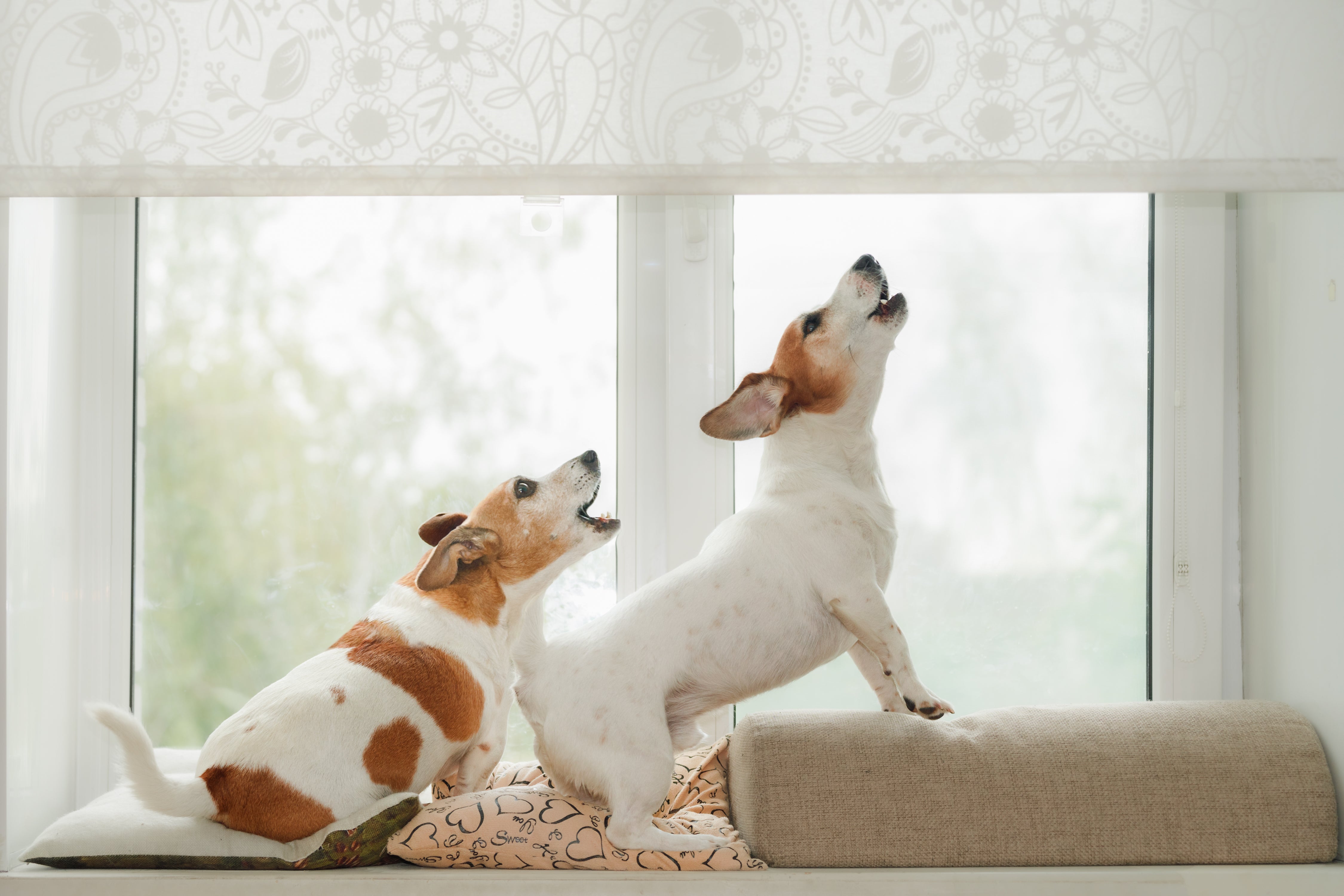
We’ve all been there. You finally sit down after a long day with a steaming cup of coffee, ready to dive into that book or catch up on your favorite show. Just as you settle in, it starts. Woof. Woof-woof! Your furry best friend is standing right in front of you, staring into your soul, and letting out a sharp, rhythmic bark that seems to say, "Hey! Look at me! Throw the ball! Give me a treat! Just... DO SOMETHING!"
This isn't the "stranger at the door" bark or the "I need to go potty" whimper. This is demand barking. It feels a bit like having a furry toddler who has discovered they can get a cookie if they just scream loud enough. While it’s born out of their love for you and their desire to interact, it can quickly turn a peaceful evening into a stressful standoff.
As someone who has spent years looking at the world through a dog’s eyes, I want you to know: your dog isn't trying to be "bad" or "dominant." They’re just using the loudest tool in their shed to communicate. Today, we’re going to dive deep into why this happens, why our human reactions often make it worse, and how we can use thoughtful boundaries—like a calm "room of their own"—to bring the quiet back to your home.
The Heart of the Matter: Why Do They Bark at Us?

To solve the barking, we first have to understand the why. Dogs are social superstars. Their entire world revolves around us. When they bark at you while you’re on a Zoom call or eating dinner, they are usually looking for one of three things: Attention, Food, or Activity.
1. The Accidental Reward
Here’s a little secret: dogs are brilliant statisticians. If they bark once and you look at them and say, "Quiet, Fido!", they just won. Even "negative" attention (like a scolding) is still attention. You looked at them. You spoke to them. In their mind, the "Bark-to-Human-Response" ratio is 1:1. Success!
2. Over-Stimulation in the Open Concept
Modern homes are wonderful, but big, open living spaces can be overwhelming for a dog—especially puppies or high-energy breeds. Without a defined "spot," they feel they need to be "on" all the time. They are constantly monitoring your every move. If you stand up, they think it’s playtime. If you sit down, they think it’s cuddle time. This constant state of high-alert leads to over-stimulation, which quickly bubbles over into noisy demands.
3. The Lack of an "Off Switch"
Many dogs haven't been taught how to relax. We spend so much time teaching them to "Sit," "Stay," and "Fetch," but we rarely teach them how to "Do Nothing." Demand barking is often the result of a dog who doesn't know how to settle themselves when the human is busy.
The Agitation: When the Barking Becomes a Burden
It starts off cute—a little "boof" to remind you it's dinner time. But left unchecked, demand barking creates a cycle of stress.
For you, it’s the fraying of your nerves. You start to feel "held hostage" by your pet. You might find yourself tossing treats just to get five minutes of silence, or worse, feeling frustrated and losing that sweet, empathetic connection you worked so hard to build.
For your dog, demand barking is actually quite stressful. Imagine being in a state of constant "demand." Their cortisol levels stay elevated because they are constantly working to get a reaction from you. They aren't resting deeply; they are hovering. This lack of true "down-time" can lead to achy grown-up joints that feel a bit rusty over time because they never truly sprawl out and relax their muscles.
The Solution: Setting Boundaries with Love

Stopping demand barking isn't about "shushing" your dog. It’s about changing the conversation. We need to teach them that calmness is the key that unlocks your attention.
Step 1: The "Ignore" Technique (The Hard Part)
When your dog starts demand barking, you must become a statue. No eye contact, no talking, no "no." Even turning your back can be helpful. You are showing them that barking makes you "disappear." The moment they go quiet—even for a second to catch their breath—that’s when you turn around and calmly reward them.
Step 2: Creating a "Visual Boundary"
This is where many pet parents struggle. If you put a dog in another room or a dark crate as "punishment," they often bark louder because they feel isolated. This is where the concept of a Life-Centric Indoor Space comes in.
We want to create a space where the dog can see you, feel part of the family, but understands that they are currently "off duty." This is why I often recommend a high-quality, transparent boundary like the FXW AuraSpace Acrylic Indoor Dog Playpen.
Why a "Clear" Boundary Matters:
-
Reduced FOMO (Fear Of Missing Out): Unlike traditional wire crates or solid-walled pens, an acrylic playpen allows your dog to see that you are still there. They don't feel "banished."
-
The "Visual Cue" for Calm: When your dog is in their AuraSpace, it becomes a signal to their brain: "This is my quiet zone." You can fill it with a soft bed and a long-lasting chew.
-
Interior Harmony: Let’s be honest—your home is your sanctuary too. A sleek, clear design doesn't feel like a "cage" in your living room; it feels like a high-end piece of furniture that respects your home’s aesthetic.
Step 3: Rewarding the "Quiet"
While your dog is hanging out in their designated space, catch them being good! If they are lying down quietly in their pen while you work, walk over and drop a tiny treat between their paws. You are teaching them: "When you are in your space being chill, good things happen."
How to Transition to a Calm-Space Lifestyle

Transitioning a demand-barker to a playpen shouldn't happen overnight. We want them to view their FXW Indoor Playpen as their personal VIP lounge.
The "How-To" for a Bark-Free Zone:
-
Introduce with Joy: Place the pen in the heart of the home (like the living room). Leave the door open. Toss high-value treats inside so they go in and out on their own.
-
The "Chew" Rule: Only give your dog their favorite long-lasting chews or frozen lick-mats inside the pen. This creates a positive association with being in the space.
-
Short Intervals: Start by closing the door for just 2-3 minutes while you are in the room. If they bark, wait for a 5-second silence before opening the door.
-
Gradual Distance: Slowly increase the time they spend in their "calm zone" while you do chores or sit on the sofa.
For more tips on setting up the perfect puppy environment, check out our blog post on [The Ultimate Guide toEscape-Proof Puppy Playpens].
Holistic Wellness: Beyond the Bark
Remember, a dog who barks incessantly might also be a dog who is a little bored or has a bit too much "engine" for their daily routine.
-
Mental Stimulation: Before you ask your dog to be quiet in their pen, give them a "brain workout." A 10-minute sniffing walk or a puzzle toy can be more exhausting than a 30-minute run.
-
Predictable Routine: Dogs thrive on knowing what comes next. If they know that "Pen Time" always follows "Walk Time," their anxiety drops significantly.
-
Physical Comfort: Especially for our older friends with those achy grown-up joints, ensure their "calm space" has orthopedic support. A comfortable dog is a quiet dog.
Finding the Balance

At the end of the day, your dog barks because they love you and want to be a part of your life. Our job as their "person" is to provide the structure they need to feel safe. By using tools like the FXW AuraSpace, you aren't shutting them out; you’re giving them the gift of boundaries. You’re telling them, "I’ve got this. You don't have to work so hard to get my attention. Just relax, and I'll come to you."
When the boundaries are clear, the bond becomes stronger. You’ll find that those sharp barks are replaced by soft sighs of contentment as they curl up in their beautiful, clear sanctuary, watching you from a place of peace.
🐾 Expert's Corner: 3 Tips for a Quieter Home
-
The "Wait for 5" Rule: Never open a crate or playpen door while your dog is barking. Wait for at least 5 seconds of silence so they realize that "Quiet = Freedom."
-
The Power of Scent: Place an old T-shirt you’ve worn inside their playpen. Your scent provides immense comfort and helps them settle faster.
-
Quality over Quantity: 15 minutes of dedicated, focused play with you is better than 2 hours of "hanging out" where you are distracted. Fill their cup first, then ask for quiet time.
Ready to transform your living room into a sanctuary of calm?
Explore our AuraSpace Acrylic Playpen and discover how beautiful boundaries can lead to a happier, quieter life with your pup.
Share:
The Ultimate Guide to Senior Dog Mobility & Indoor Safety: Why Space Design Matters
How Tall Should a Puppy Playpen Be? Keeping Your Little Explorer Safe and Grounded