
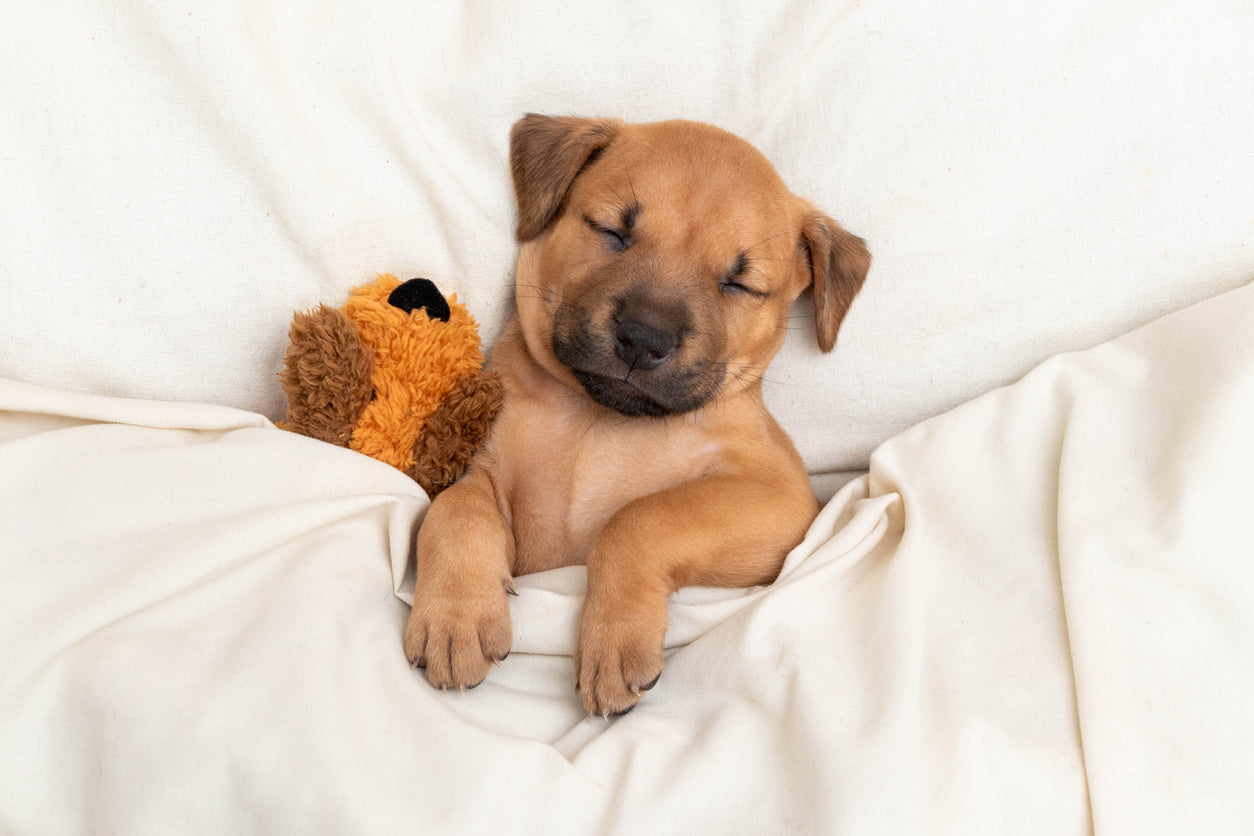
Bringing a new puppy home is exciting—but without a clear routine, things can quickly become chaotic. Puppies don’t naturally understand when to eat, play, rest, or go potty. Without guidance, they simply react to their environment, which often leads to accidents, hyperactivity, and confusion.
That’s why building a structured daily routine is one of the most important things you can do early on. And one of the easiest ways to make that routine stick is by using a playpen.
A well-designed setup doesn’t just limit your puppy’s space—it teaches them how to behave within it.
Why Puppies Need a Routine
Puppies thrive on predictability. When they know what to expect, they feel more secure and learn faster.
Without a routine, puppies often:
- Eat at random times
- Have inconsistent potty habits
- Struggle to settle down
- Become overly energetic or anxious
A consistent schedule removes uncertainty and creates a sense of stability. Over time, your puppy begins to anticipate what comes next—and starts behaving accordingly.
How a Playpen Supports Daily Structure
A playpen acts as your puppy’s “home base.” It creates a controlled environment where routines can be repeated consistently every day.
Instead of running freely around the house, your puppy learns within a defined space. This makes it easier to guide behavior without constant correction.
A structured playpen setup helps you:
- Control feeding and potty timing
- Prevent unwanted behaviors
- Create clear zones for rest and play
- Build independence safely
This is especially useful during the first few months when puppies are still learning basic habits.
Step-by-Step: Building the Perfect Puppy Routine
Step 1: Start with a Simple Daily Schedule
A basic routine includes:
- Morning potty break
- Feeding time
- Play or training session
- Rest period
- Repeat cycles throughout the day
Keeping these activities consistent helps your puppy understand what’s expected.

Step 2: Use the Playpen to Anchor Each Activity
The key to success is repetition in the same space.
For example:
- Feeding happens inside the playpen
- Rest happens inside the playpen
- Calm time happens inside the playpen
Over time, your puppy associates the playpen with structure and safety.
Step 3: Balance Activity and Rest
Signs your puppy needs rest:
- Sudden hyperactivity
- Nipping or biting
- Ignoring commands
- Zoomies indoors
A playpen helps enforce rest time without forcing it. When placed in a calm environment, your puppy will naturally settle down.
Step 4: Create a Comfortable Resting Area
Rest is just as important as training.
Inside your playpen, include a designated sleeping spot where your puppy can relax without distractions.
A good rest setup should:
- Be slightly elevated for airflow
- Be durable enough to resist chewing
- Stay consistent in location
A chew-resistant elevated bed works especially well because it discourages destructive behavior while promoting comfort.
Common Routine Mistakes to Avoid
1. Inconsistent Timing
Changing feeding or potty times daily confuses your puppy.
Fix: Stick to a predictable schedule as much as possible.
2. Too Much Freedom Too Soon
Letting your puppy roam freely can lead to accidents and bad habits.
Fix: Use the playpen to gradually introduce freedom.
3. Skipping Rest Periods
Overtired puppies often behave worse, not better.
Fix: Schedule regular downtime in a quiet space.
4. Overstimulation
Too many toys or constant interaction can overwhelm your puppy.
Fix: Keep the environment simple and calm.
What an Ideal Day Looks Like
Morning:
- Wake up and potty
- Breakfast in the playpen
- Short play session
Midday:
- Potty break
- Light training
- Rest time

Afternoon:
- Play and interaction
- Potty break
- Calm time
Evening:
- Dinner
- Gentle play
- Final potty break
- Sleep
Repeating this structure daily helps your puppy learn faster and behave more consistently.
Why This Method Works
Key benefits:
- Faster potty training
- Less destructive behavior
- Improved sleep patterns
- Reduced stress for both puppy and owner
Using a playpen simplifies the entire process by reinforcing these habits naturally.
CTA
FAQs
1. How long does it take for a puppy to adapt to a routine?
Most puppies begin adjusting within a few days, but full consistency can take a few weeks depending on age and temperament.
2. Should I wake my puppy up for scheduled activities?
It’s better to let your puppy wake naturally, but once awake, guide them back into the routine.
3. Can I change the routine later?
Yes, but changes should be gradual to avoid confusion and setbacks.
4. How much rest does a puppy need daily?
Puppies typically need 16 to 20 hours of sleep per day for healthy development.
5. Is a playpen better than letting a puppy roam freely?
For early training stages, a playpen provides structure and safety, making it easier to build consistent habits.
Summary
Creating a daily routine is one of the most effective ways to raise a well-behaved puppy. With consistency, clear structure, and the right environment, your puppy can quickly learn what’s expected of them.
A playpen makes this process easier by providing a safe, controlled space where routines can be repeated and reinforced. Combined with proper rest, balanced activity, and patience, you’ll build strong habits that last well into adulthood.

Share:
Escape Proof Playpen for Puppy: Safe Indoor Setup
Ultimate Puppy Routine Guide for New Dog Owners