
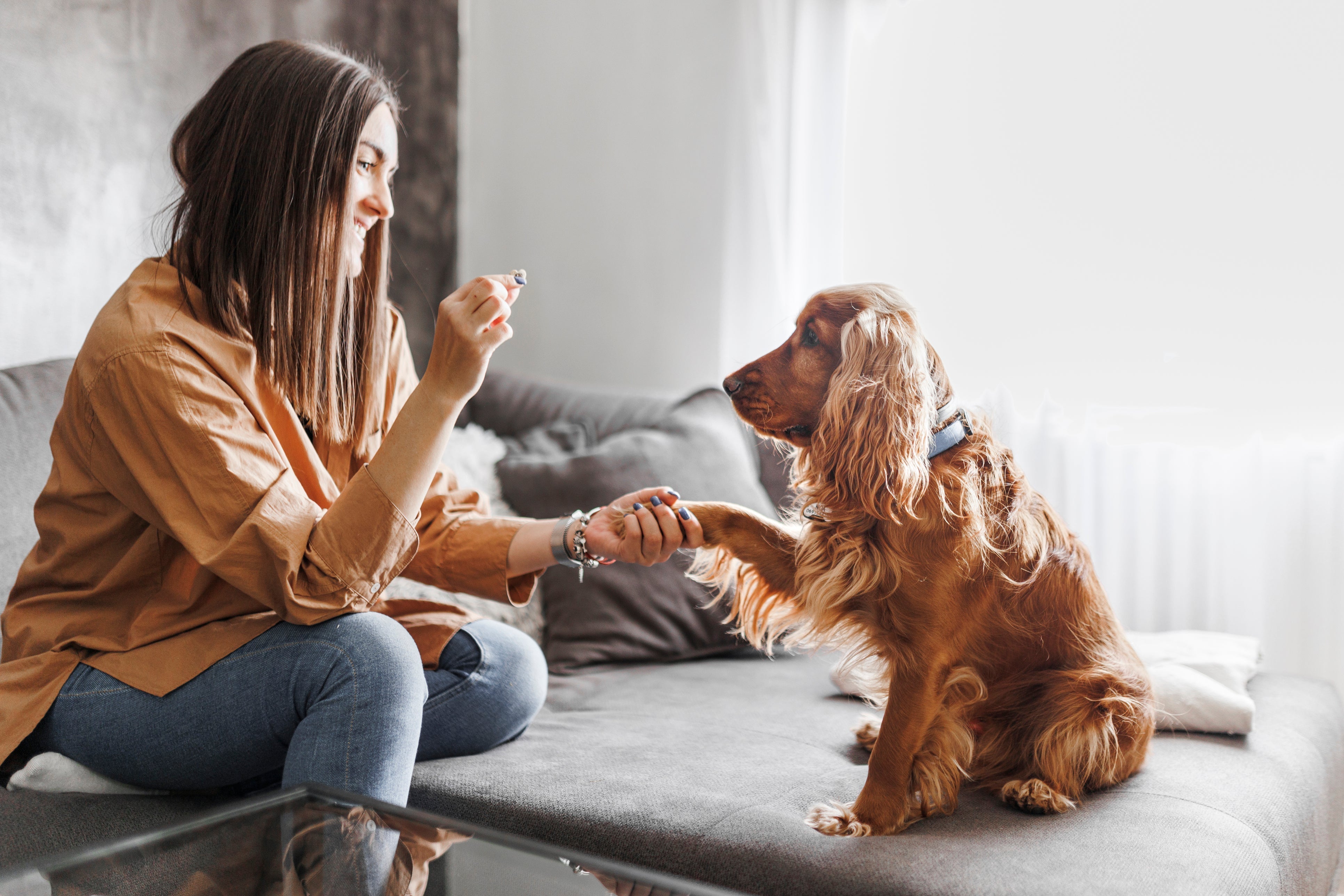
We love a friendly dog, don’t we? But house training one can be challenging. But, with some effort it can be a memorable experience. House training is important. It helps build a healthy relationship between you and your dog. Many people feel that older dogs are difficult to train. But, that’s not true. Older dogs may have ingrained habits. But, they are also more focused than puppies. Let’s see how to house train an adult dog.
Understanding the Basics
So, why do adult dogs need house training? Many dogs come from environments that did not have proper training. This can give rise to behavioral issues like anxiety and aggression. Dogs might also experience stress because of moving into a new home. Understanding these factors will help you tailor your training approach.
You can be a successful house trainer only when you understand your dog’s history. Your dog’s breed plays an important role because some breeds are naturally independent, while others need more structure and routine. A dog’s previous experiences can also influence how they adapt to new habits. Dogs who had a negative past may find it more challenging to get used to structure.
Well known training organizations recommend positive based methods as the foundation of house training (ASPCA)
Preparing for the Training Process
House training your dog begins with preparation. Few tips on how to house train an adult dog.

Having the right tools by your side will make your job a lot easier. This includes tools like crates, leash and training pads. A sturdy leash will help you control your dog outdoors. Training pads will help you potty train your dog. A crate will create a safe place for your dog to rest.
You can use treats and rewards to motivate your dog to behave. Treats work as a positive reinforcement, and makes learning fun for your dog.
A safe and comfy space for your dog is an important part of house training. A dedicated space where your dog can rest, eat, and play. Create a beautiful little corner with a comfortable bed, some toys and food bowl. Also choose a specific potty area. It could be an outdoor or an indoor training pad. Once you dedicate specific areas your dog will eventually get habituated to it.
A comfortable bed can speed up the house training process because dogs feel safer when they have a soft place to rest. Many trainers suggest giving dogs their own cozy bed to build positive associations with their new home. A well designed dog bed that is stable, firm and supportive can help older dogs feel more secure and less anxious. If you choose a bed with removable legs, you can place it flat on the floor at first. This makes it easier for an adult dog to get used to it, especially if they have never used a raised bed.
A playpen is also a helpful tool. It creates a safe zone for your dog when you cannot supervise closely. This reduces accidents and helps your dog understand boundaries in the home. A strong and spacious playpen is ideal for both training and relaxing, especially for dogs new to structured routines.
Step-by-Step Guide to House Training
Establishing a Routine
A routine is necessary when to house train an adult dog. This helps your dog create a sense of structure.
Setting Regular Feeding times
Set specific times in a day when you'll be feeding your dog. This prepares your dog’s body for the food. This in turn helps in better digestion. It is not recommended to avoid free feeding. Always keeping the bowl filled with food can lead to weight gain and obesity.
Taking Your Dog out at consistent intervals
Regular walks are important for your dog. Physical activity helps a dog stay fit mentally and physically. An adult dog on an average needs about three to fours regular walks in a day. You can take your dog out for a walk in the morning, after meals and before bed.
Using Positive Reinforcement
You can use positive reinforcement to encourage rule following. Rewarding good behavior with treats and praise helps your dog understand what you expect. This method is strongly supported by humane training experts (Humane World)
Rewarding Good Behavior with treats and Praise
Compared to a lot of other methods to training your dog, positive reinforcements probably work the best. This can strengthen the relationship between you and your dog. When your dog behaves in a desired way, you can give them their favorite treats or a simple belly rub. This encourages the dog to repeat the behaviour.
Avoiding Punishments for Accidents
Accidents are inevitable. They are a part of the training process. So, in case your dog makes a mistake or an accident occurs, do not scold or punish them. Punishing can lead to aggressive behaviour and your dog may even start to resent you. Be patient and guide your dog to avoid the same accidents in the future.
Supervision and Monitoring
Closely watching your dog’s behavior can help you notice improvements and lackings.
Keeping a Close Eye on Your Dog’s Behaviour
Pay close attention to your dog. Mainly in the early phases of training. Watch how your dog reacts to instructions. What your dog likes doing the most. Look at what your dog fears or avoids. This will help you understand your dog better.
Recognizing signs your dog needs to go

Noticing your dog’s behaviour can help you understand when your dog needs to go. Frequent accidents inside the house can be a signal that your dog needs to go more often. Some dogs also start acting anxious and project a tense body language. If your dog frequently stands near the door and gazes back and forth at you and the door, it might indicate that they need to go outside.
Crate Training for Success
Benefits of Crate Training for House Training
Crate training your adult dog can help them see a secure and comfortable environment for them. Dogs see crates as their cozy little home. Crates also prevents your dog from chewing on items in the home, and clams them down.
The crate should be large enough that your dog can spend time in it comfortably. Add a layer of soft bedding. Put in some toys and treats to make the crate fun. Open the door and let your dog explore it freely. A crate should feel comfortable, safe and fun. Once your dog starts to adapt they would love spending time in the crate.
Crate training is widely recommended because it helps dogs develop healthy routines and gives owners more control during training (Animal Humane Society)
Dealing with Accidents
Accidents are completely normal during house training. But, how you react to the accident matters. Avoid scolding or punishing your dog. This will only make them scared and confused. They will find it difficult to trust you. Instead, when an accident happens, guide them to the potty area so that they catch the habit quickly.
When accidents happen, clean it thoroughly with a cleaner or make a solution using vinegar. This will stop the odor from lingering. You can use blot paper and pet cleaner.
Specialized Techniques for Unique Situations

House Training Rescue Dogs
Most rescue dogs have a traumatic past. So, how to train an adult rescue dog?
Building Trust and Confidence
Rescue dogs may have experienced trauma and neglect in the past. This can make them stressed and anxious. You need to be particularly patient with rescue dogs. Be gentle and calm with the routine. Use positive reinforcements to build trust.
Addressing Anxiety or Trauma
It takes time to resolve anxiety and trauma issues. Be patient and consistent. This will help your dog feel safe around you. In case of severe trauma, take help of a professional trainer. They will give you tips on how to house train an adult rescue dog.
Potty Training Older Dogs in Apartments
Managing Limited Outdoor Access
With older dogs you need to maintain a strict schedule for tips outside. This will help them behave in a desired way. Be consistent with the timing to create a habit.
Using Indoor Pads or Dog Litter Boxes
If you cannot go outdoors, create a space with pee pads and a dog litter box. Train your dog to use the potty area. Eventually your dog will get used to it.
Training Dogs with Medical Issues
Consulting a vet for Underlying Problems
Your dog might be having medical issues or have experienced health problems in the past. Taking help from a vet can solve medical concerns.
Adapting Training for Special Needs
Every dog is unique and so are their needs. Customize your training methods as per the needs of your dog. This will help your dog recover better and adapt to habits quickly.
Common Mistakes to Avoid
Some common mistakes can become an obstacle in the process of house training your dog. Like, inconsistent feeding times, and not sticking to a routine can lead to setbacks. While training your dog, be patient with the process. Expecting immediate results can lead to frustration. Positive reinforcements are good. But over relying on them or using punishments can delay the process.
FAQs
1. How long does it take to house train an adult dog?
The time required to train an adult dog depends on various factors. Like the age of your dog, past experiences and medical issues. Most;y, adult dogs can be trained within a few weeks. It might also require a few months. But, with the right efforts, patience and routine. Remember every dog learns at their own pace.
2. Can you house train an older rescue dog?
Yes, you can house train an older rescue dog. But, it can be challenging. Rescue dogs may have gone through trauma and bad experiences in the past. So, you have to be more patient with the. Building trust can lead to amazing results.
3. What if my dog refuses to go in the designated area?
If your dog is unwilling to use the designated area, assess the area again. Make sure it is clean, safe and free from any distractions. Train your dog to use the area after meals. Give them treats once they use the area. Eventually they get used to it. But, if the situation persists, consult a professional.
4. How do I stop my dog from having accidents at night?
Limited water intake before bedtime can reduce the chance of your dog having accidents in bed. Also, Make sure to take your dog out for a potty break before bed.
5. What is the Best way to remove pet odors after an accident?
Vinegar works wonders in removing pet odors after an accident. You can also use baking soda on cushions or needs to eliminate odors. Mix baking soda with regular detergent to wash the area.
Share:
Do Bed Bugs Bite Dogs? Understanding Risks and Prevention
How to Stop Your Dog from Licking Paws: Effective Home Remedies and Solutions