
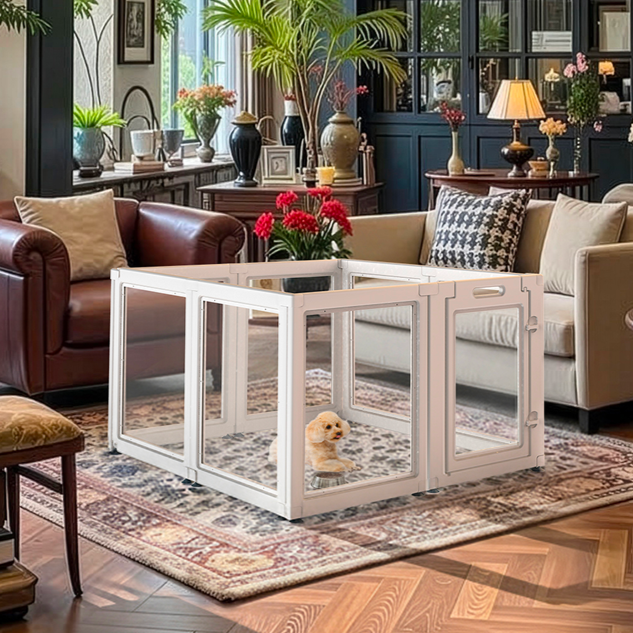
Leaving your puppy alone for the first time can feel stressful—for both of you. Many puppies cry, bark, or even become destructive when left alone, especially in the early weeks. Learning how to leave a puppy alone without anxiety is essential for building independence and preventing long-term behavioral issues.
The key is to introduce alone time gradually, while creating a safe and comfortable environment your puppy can trust.
Why Puppies Struggle with Being Alone
Common signs of anxiety:
- Whining or barking when you leave
- Chewing or destructive behavior
- Scratching doors or trying to escape
- Pacing or restlessness
These behaviors are not “bad”—they’re signs your puppy hasn’t yet learned that being alone is safe.
Step-by-Step: How to Leave a Puppy Alone Without Anxiety
Step 1: Start with Short Alone Times
Instead:
- Leave for 5–10 minutes
- Gradually increase duration
- Return calmly (no big excitement)
This helps your puppy learn that you always come back.
Step 2: Create a Safe Space with a Playpen
Why a playpen works:
- Prevents overwhelming open space
- Reduces destructive behavior
- Creates a predictable environment
- Helps your puppy feel सुरक्षित and contained
A puppy playpen for indoor training becomes your puppy’s “safe zone” when you’re away.
Step 3: Add a Comfortable Resting Area
Your puppy’s space should include:
- A cozy resting spot
- Familiar scents
- Minimal distractions
A chewproof elevated dog bed is especially helpful because:
- It provides structure and support
- Keeps your puppy cool and relaxed
- Prevents chewing on soft bedding
- Encourages calm resting instead of pacing
Step 4: Use Mental Stimulation Before Leaving
Before you leave:
- Do a short play session
- Practice basic training
- Offer interactive toys
This helps release excess energy and promotes calm behavior.
Step 5: Avoid Making a Big Deal

What to avoid:
- Overly emotional goodbyes
- Excited greetings
- Sudden disappearances
Keeping things low-key teaches your puppy that being alone is just part of everyday life.
Common Mistakes That Increase Anxiety
Avoid these:
- Leaving your puppy alone too long too soon
- Giving full access to the entire house
- Not creating a structured space
- Reinforcing clingy behavior
- Ignoring routine
Consistency and structure are key to building confidence.
Why Playpens Are Essential for Alone Training
Key benefits:
- Creates a secure and familiar environment
- Limits overstimulation
- Prevents destructive habits
- Helps establish routine
- Builds independence gradually
An escape-proof puppy playpen gives your puppy a safe place to relax while you’re away.
How Long Can You Leave a Puppy Alone?

General guideline:
- 2–3 months: 1–2 hours
- 4–5 months: 3–4 hours
- 6+ months: gradually longer
Using a structured setup like a playpen makes it easier to extend this time safely.
FAQs
1. Is it normal for puppies to cry when left alone?
Yes, especially in the early stages of training.
2. Will my puppy grow out of separation anxiety?
Not automatically—training and structure are needed.
3. Does a playpen help with anxiety?
Yes, it creates a safe and predictable environment.
4. What should I leave with my puppy?
Safe toys, water, and a comfortable resting space.
5. Can a dog bed help reduce anxiety?
Yes, a stable resting area helps your puppy feel secure and calm.
Summary
Learning how to leave a puppy alone without anxiety is about building trust, routine, and a safe environment. Puppies need time to adjust, but with gradual training and the right setup, they can learn to feel calm and secure on their own.
By combining structured alone time, a secure playpen, and a comfortable elevated dog bed, you can prevent anxiety, reduce destructive behavior, and help your puppy develop healthy independence.

Share:
How to Stop a Puppy from Chewing Everything Fast
How to Avoid Common Puppy Training Mistakes