
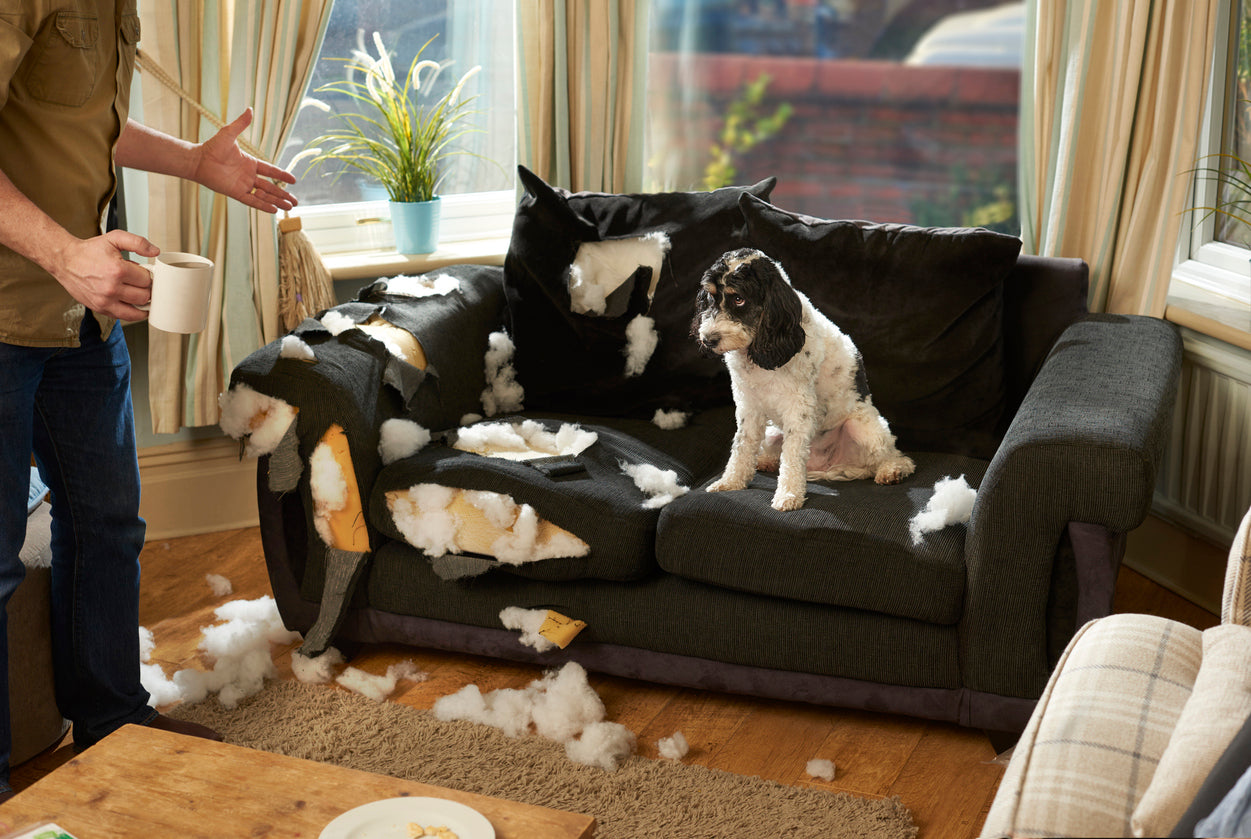
If you’ve recently brought home a puppy, you’ve probably realized one thing quickly—they chew everything. From shoes to furniture, nothing seems safe. Understanding how to stop a puppy from chewing everything is essential not only for protecting your home but also for guiding your puppy toward healthy habits.
Chewing is a natural behavior, especially during teething, but without proper guidance, it can quickly become destructive. The goal is not to stop chewing entirely, but to redirect it to the right objects.
Why Puppies Chew Everything
Common reasons:
- Teething pain and gum irritation
- Curiosity and exploration
- Boredom or lack of stimulation
- Anxiety or separation stress
- Excess energy
Once you identify the reason, it becomes much easier to guide your puppy toward better habits.

Step-by-Step: How to Stop a Puppy from Chewing Everything
Step 1: Offer Safe Chew Alternatives
Best options:
- Durable rubber toys
- Puppy-safe chew bones
- Teething-friendly textures
When your puppy grabs something inappropriate, calmly replace it with a proper chew item.
Step 2: Control the Environment with a Playpen
Why a playpen works:
- Blocks access to furniture and valuables
- Prevents bad habits before they start
- Creates a safe training zone
- Helps establish clear boundaries
A durable puppy playpen for training is one of the most effective tools to stop unwanted chewing by limiting opportunities for mistakes.
Step 3: Use a Chew-Proof Elevated Dog Bed
Benefits of a chewproof elevated dog bed:
- Raised design keeps fabric away from constant chewing
- Durable materials resist biting and scratching
- Improves airflow, keeping puppies cool and comfortable
- Reduces boredom chewing on soft surfaces
A chewproof elevated dog bed for puppies not only prevents destruction but also teaches your puppy to rest instead of chew when inside their space.
Step 4: Reduce Boredom and Excess Energy
Keep your puppy engaged with:
- Short daily walks
- Interactive toys
- Basic training sessions
- Structured playtime
Mental stimulation is just as important as physical activity.
Step 5: Stay Consistent with Training
Every time your puppy chews something wrong:
- Interrupt gently
- Redirect immediately
- Reward the correct behavior
Over time, your puppy will naturally choose the right items to chew.
Common Mistakes to Avoid
Mistakes to watch for:
- Punishing instead of redirecting
- Leaving tempting items within reach
- Allowing too much freedom too soon
- Not providing enough chew options
- Ignoring routine and structure
Consistency is more important than perfection.
Why Playpens Are Essential for Chewing Control
Key advantages:
- Limits access to household items
- Creates a safe and structured environment
- Helps build boundaries naturally
- Reduces constant supervision needs
- Supports faster behavior correction
An escape-proof dog playpen for puppies allows your puppy to explore safely without damaging your home.
Why Elevated Dog Beds Make a Difference
Elevated beds are better because:
- They are built with durable, chew-resistant materials
- They promote better rest and reduce overstimulation
- They last longer in active puppy environments
A durable elevated dog bed for aggressive chewers is a smart investment for both training and long-term use.

- They remove soft edges puppies love to chew
- They are built with durable, chew-resistant materials
- They promote better rest and reduce overstimulation
- They last longer in active puppy environments
A durable elevated dog bed for aggressive chewers is a smart investment for both training and long-term use.
Training Timeline: What to Expect
Typical progress:
- Week 1–2: Frequent redirection needed
- Week 3–4: Reduced destructive chewing
- After 1 month: Noticeable habit improvement
Using both a playpen and an elevated bed can significantly speed up results.
FAQs
1. Is chewing normal for puppies?
Yes, especially during teething and early development.
2. Why does my puppy chew their bed?
Soft materials are easy to bite and often trigger chewing behavior.
3. Do elevated dog beds prevent chewing?
They reduce it significantly by removing soft, chewable surfaces.
4. How does a playpen help with chewing?
It limits access to inappropriate items and creates a controlled space.
5. When will my puppy stop chewing everything?
Most improve after 6–8 months with proper training and setup.
Summary
Learning how to stop a puppy from chewing everything starts with understanding their needs and controlling their environment. Chewing is natural, but destructive chewing can be prevented with the right approach.
By combining consistent training, safe chew alternatives, and smart tools like playpens and chewproof elevated dog beds, you can protect your home while helping your puppy build better habits.
With patience and the right setup, your puppy will quickly learn what’s okay to chew—and what’s not.

Share:
How to Potty Train a Puppy Using a Playpen
How to Leave a Puppy Alone Without Anxiety